
Iraq: From Sumer to Saddam
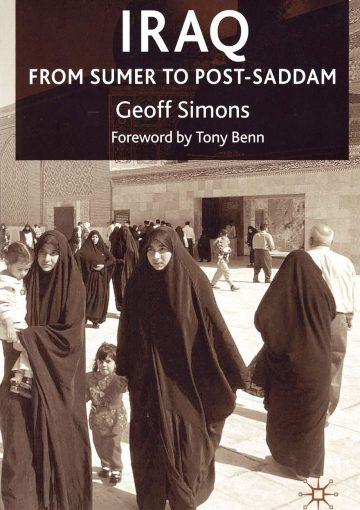
Iraq: From Sumer to Saddam
Author :
Publisher :
Publication year :
1994
Publish number :
First
Publish location :
London
Number of volumes :
1
(0 Votes)

(0 Votes)
Iraq: From Sumer to Saddam
Few countries in the modern Middle East carry a historical legacy as deep and complex as Iraq. Iraq: From Sumer to Saddam traces this long trajectory, connecting one of humanity’s earliest civilizations to the political realities of the contemporary Iraqi state.
About the Book Iraq: From Sumer to Saddam presents a broad historical survey of Iraq from ancient Mesopotamia through successive empires, colonial rule, and the rise of modern authoritarian governance. The book emphasizes continuity and rupture, showing how geography, imperial inheritance, and political centralization shaped Iraqi society over millennia. Particular attention is given to the formation of the modern Iraqi state and the political conditions that enabled the emergence of Saddam Hussein’s regime. Rather than isolating modern events from their historical background, the book situates them within a long-term structural and cultural context.
What You Will Discover
- The historical foundations of Iraq from ancient Sumer to the Islamic and Ottoman periods.
- The impact of colonial boundaries and mandates on modern Iraqi politics.
- The rise of centralized power and authoritarian rule in the twentieth century.
- How historical legacies influenced political instability and state formation.
About the Author The author adopts a historical and political approach, drawing on archaeology, historiography, and modern political analysis. The work reflects an effort to synthesize long-term historical patterns with contemporary political developments in a coherent narrative.
Who Is This Book For? This book is for students, researchers, and general readers seeking a comprehensive introduction to Iraqi history, particularly those interested in understanding modern Iraq through its deep historical roots.
Related Titles

The Constitution of the Islamic Republic of Pakistan

The Constitution of the Islamic Republic of Afghanistan

Historic Struggle for Pakistan

Short Accounts of the lives of Various Ulema buried in the Holy City of Qom

A History of Modern Lebanon

If Islam were to be established in Iraq
Iran Human Rights Review : United Nations