Rays of Faith - Qadr
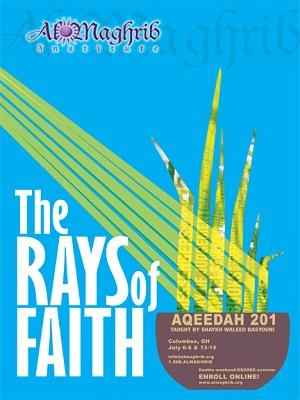
Rays of Faith - Qadr
Author :
Publisher :
Number of volumes :
1
Publish number :
first
Publication year :
2007
(0 Votes)

(0 Votes)
Rays of Faith - Qadr
Questions about divine decree stand among the most challenging subjects in Islamic theology. If God possesses complete knowledge and authority over creation, what does this mean for human choice and responsibility? Islamic discussions of qadr seek to preserve both divine sovereignty and the meaningful accountability of human beings.
About the Book
Rays of Faith - Qadr introduces the Islamic doctrine of divine decree, commonly expressed through the Arabic term qadr. The subject forms an important part of Muslim belief and raises fundamental questions concerning God's knowledge, will, creation, and human action.
Islamic teaching affirms that God's knowledge encompasses all things. Nothing lies outside divine awareness, and the unfolding of creation does not surprise or escape its Creator.
At the same time, the Qur'an repeatedly addresses human beings as morally responsible agents. People receive commands and prohibitions, make choices, receive praise or blame, and face consequences for their conduct.
The relationship between these principles has generated extensive theological discussion. A balanced introduction to qadr therefore requires careful distinction between God's comprehensive sovereignty and interpretations that would eliminate meaningful human responsibility.
Belief in divine decree also possesses a spiritual dimension. Awareness that events occur within God's knowledge can cultivate patience during hardship, gratitude in prosperity, and humility concerning human plans and achievements.
This does not mean that believers should abandon effort. Islamic teachings consistently encourage responsible action, prayer, planning, repentance, and moral choice. Trust in God operates alongside rather than instead of human responsibility.
The doctrine of qadr thus brings theology into direct relationship with everyday life, helping readers reflect on freedom, responsibility, uncertainty, suffering, and reliance upon God.
What You Will Discover
- The meaning of qadr in Islamic belief.
- God's knowledge and sovereignty over creation.
- Relationships between divine decree and human choice.
- The basis of individual moral accountability.
- Spiritual lessons concerning patience and reliance upon God.
- The importance of effort alongside trust in divine wisdom.
Who Is This Book For?
This book is ideal for students of Islamic theology, Qur'an readers, educators, new Muslims, and study groups seeking an accessible introduction to divine decree, human responsibility, and their relationship within Islamic belief.