Al-Ghazali and the Ismailis
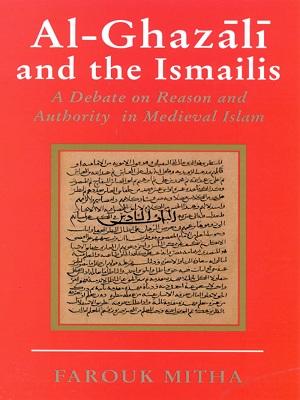
Al-Ghazali and the Ismailis
Author :
Editor :
Publisher :
Publication year :
2001
Publish location :
London
Publish number :
First
Number of volumes :
1
(0 Votes)

(0 Votes)
Al-Ghazali and the Ismailis
How did one of Sunni Islam's most influential theologians respond to the intellectual and political challenge posed by the Ismailis? Al-Ghazali and the Ismailis examines a significant dimension of al-Ghazālī's thought, investigating his polemical engagement with Ismaili communities during the Fatimid and early Alamut periods.
About the Book
Al-Ghazali and the Ismailis was written by Farouk Mitha and edited by Farhad Daftary. The first edition was published by I.B. Tauris Publishers in London in 2001.
The publication is a scholarly study of Abū Ḥāmid al-Ghazālī, one of the most influential thinkers in Islamic intellectual history.
Although al-Ghazālī's writings on theology, philosophy, and spirituality have attracted extensive academic attention, the book concentrates on a particular aspect of his work: his criticism of Ismaili religious thought.
The study situates this engagement within the Fatimid and early Alamut periods.
These historical settings are significant because Ismaili communities developed distinctive understandings of religious authority, particularly concerning the role of the Imam.
Al-Ghazālī's engagement with Ismaili thought belongs to a wider history of intellectual disagreements between different Islamic theological traditions.
Such controversies concerned not only particular doctrines but also questions about how religious knowledge is established and who possesses legitimate interpretive authority.
The book's emphasis on polemical engagement is important.
It examines al-Ghazālī's response to the Ismailis rather than presenting a general introduction to every aspect of Ismaili history or theology.
Its scholarly value lies in exploring how debates with religious opponents contributed to the development and expression of al-Ghazālī's thought.
The catalogue does not provide a chapter outline or identify the individual works of al-Ghazālī examined.
Nevertheless, its central research question is clearly established: the relationship between al-Ghazālī's intellectual project and his criticism of Ismaili teachings.
What You Will Discover
- Al-Ghazālī's engagement with Ismaili religious thought.
- The historical context of the Fatimid and early Alamut periods.
- The importance of theological polemics in Islamic intellectual history.
- Questions concerning religious authority and interpretation.
- A specialized dimension of al-Ghazālī's writings.
- The relationship between Sunni theological criticism and Ismaili thought.
Who Is This Book For?
This book is suitable for researchers in medieval Islamic intellectual history, students of al-Ghazālī, and readers interested in Ismaili studies, Sunni-Shīʿī theological debates, and the history of religious authority in Islam.