Ashra e Muharram
Ashra e Muharram
Author :
Publication year :
2006
Number of volumes :
1
Publisher :
Publish number :
First
(0 Votes)

(0 Votes)
Ashra e Muharram
Each year, the first ten days of Muḥarram — known as Ashra e Muharram (the ten days of mourning in Muḥarram) — become a living classroom of sacrifice (shahādah, martyrdom), faith (īmān, belief), and remembrance (dhikr, remembrance of God). These days revive the message of Imam Ḥusayn Ibn ʿAlī (ʿa, an honorific meaning ʿalayhi al-salām — “peace be upon him”) as a call to ḥaqq (truth), ʿadl (justice), and ṣabr (patience) in the face of oppression.
About the Book
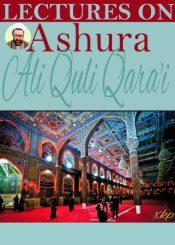
Published by the Hubeali Organization, Ashra e Muharram gathers a series of lectures and devotional reflections delivered during the sacred first ten days of Muḥarram. It guides readers through the spiritual and ethical lessons drawn from the majālis (mourning assemblies) — gatherings that recount the events of Karbalāʾ and reveal their timeless significance.
The author explains how Ashra e Muharram connects ritual mourning (ʿAzāʾ, collective mourning) with yaqaẓah (spiritual awakening), showing that the remembrance of shahādah (martyrdom) is not mere ḥuzn (grief) but an act of iṣlāḥ (moral renewal). The text also explores the role of dhikr (remembrance of God) and the cultivation of maḥabbah (love) for the Ahl al-Bayt (ʿa, an honorific meaning ʿalayhim al-salām — “peace be upon them”), the Prophet’s Household.
What You Will Discover
- The historical and spiritual importance of Ashra e Muharram in the Shīʿī tradition.
- The purpose of majālis (mourning assemblies) as places of education, remembrance, and renewal.
- How ḥuzn (grief) becomes iṣlāḥ (moral renewal) through ʿAzāʾ (mourning).
- The virtues of ṣabr (patience), ḥaqq (truth), and ʿadl (justice) embodied in the martyrs of Karbalāʾ.
- The continuing influence of these ten days on īmān (faith) and communal ethics.
About the Author
Compiled by the Hubeali Team, this work is part of their devotional education series on the tragedy of Karbalāʾ. The editors combine classical sources and modern reflection to illustrate how Ashra e Muharram nurtures patience, unity, and spiritual awareness among believers.
Who Is This Book For?
This book is for readers who wish to experience Ashra e Muharram not only as commemoration but as a journey of iṣlāḥ (moral renewal) and maḥabbah (love) — a period that transforms mourning into understanding and remembrance into faith.