Building of Tombs In the Light of Qur'an & Hadith
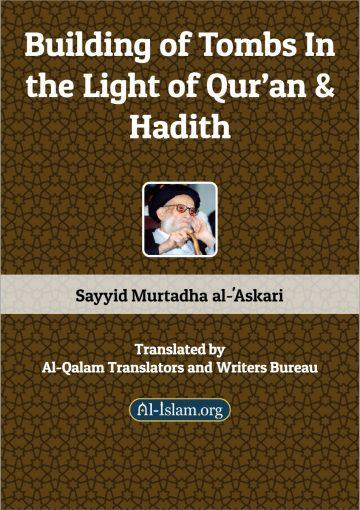
Building of Tombs In the Light of Qur'an & Hadith
Author :
Number of volumes :
1
Publisher :
Publish number :
first
Publication year :
1998
(0 Votes)

(0 Votes)
Building of Tombs In the Light of Qur'an & Hadith
The question of constructing tombs over the graves of prophets, saints, and righteous servants has long been discussed within Islamic scholarship. Building of Tombs in the Light of Qur'an & Hadith examines this subject with clarity and balance, presenting scriptural and narrational evidence to explain how Islamic tradition approaches the honoring of sacred personalities through their burial sites.
About the Book Building of Tombs in the Light of Qur'an & Hadith offers a systematic exploration of the religious and historical legitimacy of constructing tombs, shrines, and mausoleums. Drawing from riwāyah (narrative transmission: preserved reports documenting sayings of the Prophet and teachings of the Imams) and relevant Qur’anic verses, the text outlines the scriptural reasoning behind honoring graves while maintaining proper theological boundaries.
The book addresses common misconceptions, discusses the distinction between respect and worship, and illustrates how early Muslims preserved the grave sites of holy figures. It also examines historical examples—such as the companions’ respect for the Prophet’s grave—to show that building protective or commemorative structures around graves has precedent in Islamic practice.
What You Will Discover
- Qur’anic references that form the foundation for honoring the graves of righteous individuals.
- Insights from riwāyah (narrative transmission) explaining the Prophet’s teachings regarding graves, remembrance, and respect.
- An exploration of the difference between ta‘ẓīm (veneration: showing respect) and worship, clarifying theological concerns.
- Discussions of historical evidence showing the preservation and construction around the graves of prophets and saints.
- Refutations of misconceptions claiming that building tombs constitutes innovation or impermissible behavior.
- The spiritual and social roles of shrines as places of reflection, remembrance, and prayer—without attributing divinity to the deceased.
- Practical conclusions based on balanced scriptural analysis and traditional scholarly understanding.
About the Author Drawing from classical exegesis, hadith scholarship, and early historical sources, the author presents a well-organized, evidence-based study of the topic. The writing is clear, methodical, and rooted in traditional Islamic thought, making the discussion accessible without oversimplifying complex issues.
Who Is This Book For? This book is for readers seeking a clear, scripturally grounded, and academically reliable explanation of the Islamic perspective on building tombs, suitable for students, researchers, and anyone interested in understanding this important theological subject.