
Burning the house of Fatima binte Mohammad(saww)

Burning the house of Fatima binte Mohammad(saww)
Author :
Publication year :
2003
Number of volumes :
1
Publisher :
Publish number :
first
(0 Votes)

(0 Votes)
Burning the house of Fatima binte Mohammad(saww)
Among the most sensitive and discussed events in early Islamic history is the episode concerning the house of Lady Fāṭimah al-Zahrāʾ (ʿa, an honorific meaning ʿalayhā al-salām — “peace be upon her”), the beloved daughter of the Prophet Muḥammad (peace be upon him and his Family). This tragedy, preserved in early historical records, stands as a test of moral conscience and historical understanding — raising profound questions about power, justice, and truth in the formative years of Islam.
About the Book
Burning the House of Fatima binte Mohammad (saww) collects and studies early accounts related to the events surrounding Lady Fāṭimah’s home after the Prophet’s passing. Drawing from both Sunnī and Shīʿī chronicles, the book evaluates the reliability of these reports and their implications for understanding the political and ethical developments of that period.
The research adopts a balanced and well-documented approach, distinguishing verified testimony from later interpretations. Through careful historical analysis, it seeks to clarify how this painful episode influenced debates over leadership (khilāfah) and the defense of truth (ḥaqq) within the early Muslim community.
What You Will Discover
- A documented overview of the incident known as “the burning of the house.”
- Examination of historical sources from Sunnī and Shīʿī perspectives.
- Discussion of the political and social context following the Prophet’s passing.
- Analysis of Lady Fāṭimah’s (ʿa) moral stance and her defense of divine justice.
- The continuing impact of this event on Muslim thought regarding authority and accountability.
About the Author
This publication, issued by the Answering-Ansar Research Group, reflects the team’s dedication to exploring Islamic history through precise documentation and comparative analysis. Their scholarly work focuses on clarifying contested events concerning the Ahl al-Bayt (ʿa, an honorific meaning ʿalayhim al-salām — “peace be upon them”), the Prophet’s Household, within a framework of scholarly rigor and respect.
Who Is This Book For?
This book is for readers who seek a well-documented and balanced understanding of the historical events connected to Lady Fāṭimah’s (ʿa) house — students of Islamic history, researchers of early sectarian narratives, and those wishing to comprehend how faith, justice, and history intersect in one of Islam’s most consequential moments.
Related Titles
The Fourteen Luminaries of Islam
Mushaf Fatimah (a.s)
Tooba: The Need of Every Momin Home-Authentic Ahadees explaining Shia Beliefs
Fatima The Gracious
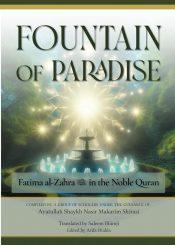
The Fountain of Paradise - Fatima Zahra in the Noble Qur'an
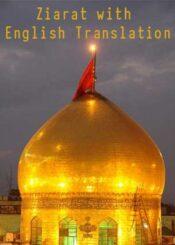
Ziarat with English Script and Translation
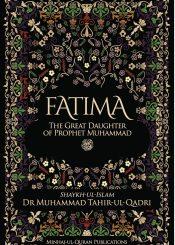
Fatima (S.A): The Great Daughter of Prophet Muhammad (PBUH)