Infallibility of the Prophets & Messengers
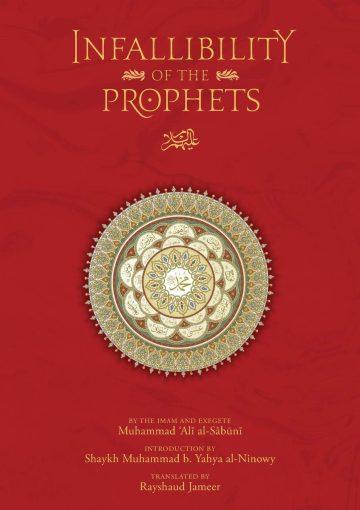
Infallibility of the Prophets & Messengers
Author :
Interpreter :
Publisher :
Publication year :
1998
Publish number :
First
Number of volumes :
1
(0 Votes)

(0 Votes)
Infallibility of the Prophets & Messengers
Prophets occupy a distinctive position in Islam as recipients and transmitters of divine revelation. Their reliability therefore raises an important theological question: what does prophetic infallibility mean, and how should scriptural passages that appear to describe prophetic mistakes, warnings, or repentance be understood? This subject lies at the intersection of Qur'anic interpretation, theology, and the doctrine of prophethood.
About the Book
Infallibility of the Prophets & Messengers examines the Islamic doctrine commonly described as ʿiṣmah, or divinely protected infallibility, in relation to prophets and messengers. The discussion concerns both the reliability required for transmitting revelation and the broader moral and spiritual status of those selected to guide humanity.
The doctrine has major implications for understanding revelation. If prophets communicate God's guidance, their trustworthiness is fundamental to confidence in the message they deliver.
At the same time, the Qur'an contains passages concerning prophets that require careful interpretation. Accounts involving Adam, Noah, Abraham, Moses, David, Jonah, and Prophet Muḥammad have generated extensive theological and exegetical discussion about the meaning of divine correction, apparent error, repentance, and prophetic responsibility.
The subject therefore cannot be resolved simply by translating individual expressions without considering their context and theological implications. Different Islamic schools have developed arguments concerning the scope and character of prophetic protection.
A systematic study of infallibility also clarifies the distinction between sin, error, leaving a preferable course of action, and language intended for instruction or spiritual elevation.
The broader question is ultimately one of divine guidance: what qualities are appropriate for individuals entrusted with communicating God's message and serving as authoritative models for their communities?
What You Will Discover
- The meaning of ʿiṣmah in Islamic theology.
- The relationship between infallibility and revelation.
- Why prophetic trustworthiness matters for divine guidance.
- Interpretive questions surrounding difficult Qur'anic passages.
- Distinctions between sin, error, and divine correction.
- The theological significance of prophets as human guides.
Who Is This Book For?
This book is suitable for theology students, Qur'an researchers, seminary learners, comparative religion readers, and anyone interested in prophethood, revelation, ʿiṣmah, and Islamic approaches to apparently difficult scriptural passages.