Islamic Systems
Islamic Systems
Author :
Publisher :
Publish location :
Tehran Islamic Republic of Iran
Number of volumes :
1
Publish number :
first
Publication year :
2004
(0 Votes)

(0 Votes)
Islamic Systems
In a world dominated by competing political and economic ideologies, can Islam offer its own comprehensive systems of governance that address the needs of both material progress and spiritual fulfillment?
About the Book
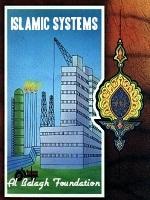
Islamic Systems, published in 2004 by Al Balagh Foundation in Tehran, provides short yet insightful introductory summaries of the various systems involved in the governance of a nation from a purely Islamic perspective. The book outlines how Islam presents integrated frameworks for politics, economy, society, and administration that differ from both Western secular models and other ideologies. It serves as an accessible entry point for understanding the distinct Islamic approach to organizing collective life while maintaining moral and spiritual integrity.
What You Will Discover
- Core components of the Islamic political and governance system
- Islamic perspectives on economic justice and resource distribution
- The social system in Islam and its emphasis on rights and responsibilities
- How Islamic principles guide leadership, administration, and public policy
- The balance between authority, consultation, and accountability in Islamic rule
- Contrasts between Islamic systems and prevailing modern ideologies
- Practical implications of applying these systems in contemporary Muslim societies
About the Author
Al Balagh Foundation is an Iranian publishing and research institution focused on producing introductory and educational materials that explain various aspects of Islamic thought and systems to a broad readership.
Who Is This Book For?
This book is suitable for students and researchers of Islamic political and social thought, Muslims interested in understanding Islam as a complete way of life, and anyone exploring faith-based alternatives to dominant governance models.