Jihad in the Qur’an and the Sunnah
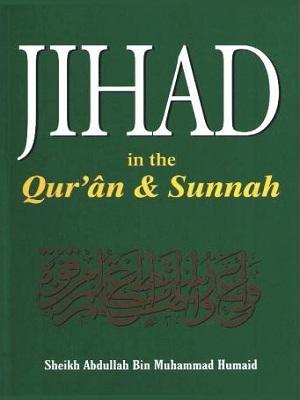
Jihad in the Qur’an and the Sunnah
Author :
Editor :
Interpreter :
Publisher :
Publish number :
First
Publication year :
2007
Number of volumes :
1
(0 Votes)

(0 Votes)
Jihad in the Qur’an and the Sunnah
Few Islamic terms have generated as much discussion and misunderstanding as jihad. Its meanings, objectives, conditions, and relationship with armed conflict cannot be understood adequately through isolated quotations. A serious examination requires attention to Qur'anic passages, Prophetic teachings, historical circumstances, ethical restrictions, and the wider Islamic understanding of human responsibility.
About the Book
Jihad in the Qur’an and the Sunnah examines the concept of jihad through Islam's two foundational textual sources: the Holy Qur'an and the Sunnah, the normative teachings and practice associated with Prophet Muḥammad. The work seeks to clarify the religious meaning of the concept and the contexts in which different forms of struggle are discussed.
The Arabic term jihad fundamentally conveys exertion or striving. Within Islamic discourse, it can refer to efforts undertaken in obedience to God and in defense of legitimate religious and communal objectives. Armed struggle represents one important juridical context but does not exhaust every use of the concept.
Qur'anic passages concerning fighting must also be examined within their historical and textual settings. Questions involving persecution, aggression, defense, treaties, and relations between communities affect how particular verses are interpreted. Reading such passages without context can produce misleading conclusions.
The Sunnah provides additional material concerning conduct during conflict and the moral responsibilities of Muslims. Islamic jurisprudence subsequently developed detailed discussions concerning authority, legitimate objectives, prohibited actions, and treatment of those not participating in hostilities.
The subject therefore involves both spirituality and law. Striving requires discipline and commitment, while armed conflict is subject to ethical and legal limitations rather than being treated as unrestricted violence.
What You Will Discover
- Meanings associated with jihad.
- Qur'anic passages concerning struggle and conflict.
- The role of historical context.
- Prophetic teachings concerning jihad.
- Ethical restrictions connected with armed conflict.
- Differences between legitimate struggle and unrestricted violence.
Who Is This Book For?
This book is suitable for students of Qur'anic studies, Islamic law, Prophetic tradition, comparative religion, researchers, educators, and readers seeking a contextual understanding of jihad in Islamic sources.