The Recitation and Interpretation of the Quran
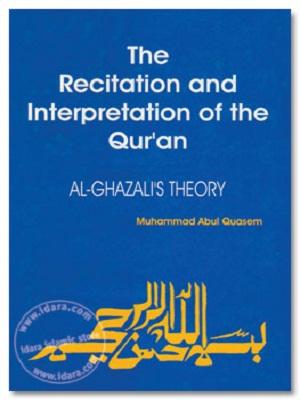
The Recitation and Interpretation of the Quran
Publication year :
1979
Publish location :
Malaysia
Number of volumes :
0
Publisher :
Publish number :
First
(0 Votes)

(0 Votes)
The Recitation and Interpretation of the Quran
Qur'anic recitation and Qur'anic interpretation represent two closely connected dimensions of engagement with revelation. Accurate reading preserves the transmitted wording and pronunciation of the sacred text, while interpretation seeks to understand its meanings. Studying both enables readers to appreciate the Qur'an simultaneously as a recited revelation and a source of intellectual and spiritual guidance.
About the Book
The Recitation and Interpretation of the Quran examines important issues related to reading and understanding the Holy Qur'an. The work brings attention to the fact that engagement with revelation involves both accurate transmission of the text and careful investigation of what its verses communicate.
Recitation occupies a distinctive position within Islam. The Qur'an has been transmitted not merely as written material but as a text continuously recited and memorized. Correct pronunciation, attention to the Arabic wording, and established traditions of reading therefore contribute to preserving the Qur'an's oral dimension.
Interpretation introduces another set of responsibilities. Understanding a verse may require knowledge of vocabulary, grammar, context, related Qur'anic passages, historical circumstances, and explanatory traditions. Translation alone cannot always communicate the full range of meanings present in the Arabic text.
The relationship between recitation and interpretation is especially important. Beautiful or technically accurate recitation should encourage greater engagement with meaning, while intellectual study should not obscure the Qur'an's devotional and spiritual character. Together, these dimensions allow readers to encounter revelation more comprehensively.
The work also encourages methodological care. Personal reflection is valuable, but interpretations should remain grounded in textual evidence and reliable principles rather than being imposed upon the Qur'an without adequate support.
By connecting oral engagement with intellectual comprehension, the book presents Qur'anic study as an integrated practice involving reading, listening, understanding, reflection, and responsible interpretation.
What You Will Discover
- The significance of Qur'anic recitation.
- The oral transmission of revelation.
- Principles relevant to interpretation.
- Importance of Arabic vocabulary and context.
- Relationships between recitation and understanding.
- Responsibilities involved in interpreting the Qur'an.
Who Is This Book For?
This book is ideal for Qur'an students, reciters, teachers, Islamic studies learners, study circles, and readers interested in combining accurate recitation with deeper understanding of Qur'anic meaning.