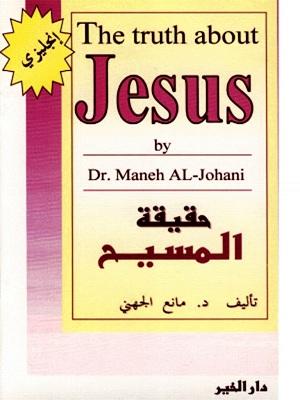
The Truth About Jesus (PBUH)

(0 Votes)
The Truth About Jesus (PBUH)
Few figures occupy such an important place in both Islam and Christianity as Jesus. Muslims honor him as a prophet and messenger of God, while mainstream Christianity understands his identity through doctrines concerning divinity and the Trinity. This book examines these differences and explains why the person of Jesus remains central to Muslim-Christian theological debate.
About the Book
The Truth About Jesus (PBUH) by Maneh Al-Johani presents an Islamic interpretation of Jesus and the doctrines associated with his identity. The author begins from the observation that disagreements concerning Jesus represent one of the principal theological divisions between Islam and Christianity. Within Islamic belief, Jesus is regarded as a great prophet whose mission belongs to the same tradition of divine guidance associated with Abraham, Moses, and Prophet Muḥammad.
Muslims therefore honor Jesus while rejecting the belief that he possesses divine status. The book contrasts this position with Christian teachings concerning Jesus as the Son of God. It identifies several doctrines that the author considers incompatible with Islamic monotheism. These include the Trinity, the divinity of Jesus, divine sonship, original sin, and atonement.
The discussion emphasizes that these theological disagreements are interconnected rather than isolated questions. In the author's interpretation, the development of Christian doctrines concerning Jesus' identity has obscured important similarities between the two religious traditions. This argument reflects an Islamic theological perspective and should not be confused with the way Christian theologians understand their own doctrines.
The work is primarily concerned with explaining religious disagreement rather than presenting a neutral history of Christianity. Its central purpose is to clarify why Muslims respect Jesus while rejecting particular Christian claims about him. The book also encourages readers to recognize that substantial differences in belief do not eliminate the shared religious importance of Jesus.
By concentrating on his identity and theological significance, the study provides a focused introduction to one of the most enduring subjects in comparative Abrahamic religion.
What You Will Discover
- The Islamic understanding of Jesus as a prophet.
- The importance of Jesus within Muslim religious belief.
- Differences between Islamic monotheism and Christian Trinitarian theology.
- The author's discussion of divine sonship and the divinity of Jesus.
- Islamic objections to original sin and atonement.
- The relationship between theological disagreement and shared religious history.
Who Is This Book For?
This book is suitable for students of comparative religion, Muslim and Christian readers, Islamic educators, and participants in interfaith discussions. It is particularly relevant for examining the theological differences surrounding Jesus and understanding how those differences are presented from an Islamic perspective.