Magic and Envy
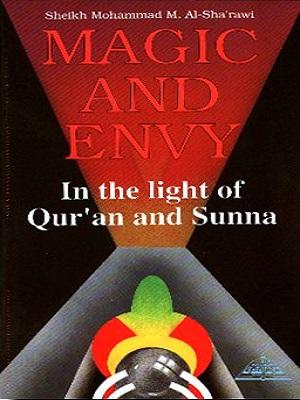
Magic and Envy
Author :
Publisher :
Number of volumes :
1
Publish number :
First
Publication year :
1994
(0 Votes)

(0 Votes)
Magic and Envy
Magic and envy appear in Islamic scripture and religious literature, but they are also subjects surrounded by superstition, exaggeration, and popular misunderstanding. A careful Islamic treatment must therefore distinguish scriptural teachings from cultural assumptions while explaining how believers are instructed to respond spiritually and ethically to fears concerning unseen harm.
About the Book
Magic and Envy examines two subjects discussed within the Qur'an and Islamic tradition: sihr, commonly translated as magic or sorcery, and hasad, destructive envy involving resentment toward another person's blessings. The work considers their religious significance and the guidance offered for protecting faith and conduct.
Qur'anic references provide an essential framework for discussing magic. The subject appears in narratives and teachings that emphasize God's ultimate sovereignty and warn against practices associated with deception, harmful occult activity, and spiritual corruption. The believer is consequently directed toward reliance upon God rather than fascination with hidden powers.
Envy is approached primarily as a moral and spiritual problem. It can emerge when a person resents another individual's success, possessions, abilities, or blessings. If cultivated, such resentment can damage relationships and lead toward harmful speech or actions. Islamic ethical teaching therefore encourages gratitude, purification of intention, and goodwill toward others.
The book also directs attention toward Qur'anic protection and remembrance of God. Supplication, recitation, trust in God, and adherence to religious obligations provide a framework for responding to fear without allowing anxiety or superstition to dominate one's life.
Importantly, these subjects invite personal moral reflection. Concern about external harm should not distract believers from examining their own jealousy, hostility, or wrongful behavior. Spiritual protection and ethical self-discipline therefore remain closely connected.
What You Will Discover
- Qur'anic perspectives on magic.
- Religious understanding of destructive envy.
- Moral dangers associated with jealousy.
- Reliance upon God and spiritual protection.
- Importance of Qur'anic recitation and supplication.
- Connections between protection and ethical self-discipline.
Who Is This Book For?
This book is suitable for general Muslim readers, students of Islamic ethics, families, educators, study circles, and readers seeking a religious introduction to magic, envy, spiritual protection, and personal moral responsibility.