Peshawar Nights
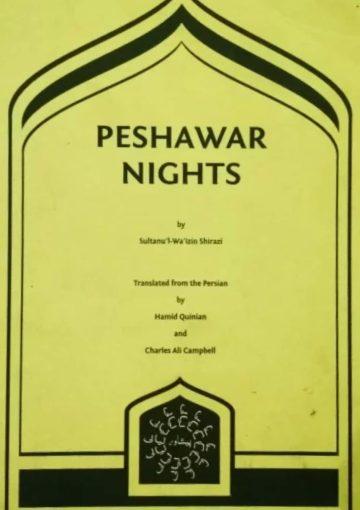
Peshawar Nights
Interpreter :
Publisher :
Publish number :
first
Publication year :
1956
Publish location :
Qum, Iran
Number of volumes :
3
(0 Votes)

(0 Votes)
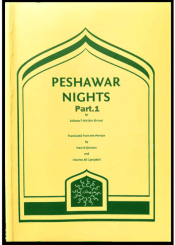
Peshawar Nights
Peshawar Nights presents an extensive examination of theological and historical disagreements between Sunni and Shīʿī Islam. Through a series of dialogues, it discusses succession to Prophet Muḥammad, the authority of Imam ʿAlī (ʿa), and the interpretation of early Islamic history.
About the Book
Written by Sultan al-Wāʿiẓīn Shīrāzī, Peshawar Nights is presented as an account of religious discussions between the author, a Shīʿī scholar, and Sunni religious representatives in Peshawar.
The English translation is associated with Hamid Quinlan and Charles Ali Campbell. The catalogue identifies Ansariyan Publications in Qum, Iran, as publisher.
The book's central subject is the question of leadership following the death of Prophet Muḥammad (peace be upon him and his Family).
The author presents arguments supporting the Shīʿī understanding of the religious authority of Imam ʿAlī (ʿa) and the Ahl al-Bayt (ʿa).
The discussions examine historical reports, Qurʾānic interpretation, and transmitted traditions associated with the early Muslim community.
Other subjects include the status of the Prophet's Companions, the doctrine of infallibility, and disagreements concerning mutʿah, or temporary marriage.
A distinctive feature of the work is its use of sources recognized within Sunni scholarship to develop arguments from a Shīʿī perspective.
The dialogue format allows readers to follow questions, objections, and responses as the author develops his theological positions.
Although presented as a record of historical discussions, the published exchanges should be distinguished from independently verified transcripts.
The book remains a significant example of comparative Islamic theological argumentation, particularly concerning succession, religious authority, and the interpretation of historical evidence.
What You Will Discover
- Arguments concerning succession to Prophet Muḥammad.
- The Shīʿī understanding of Imam ʿAlī's religious authority.
- Discussions about the Ahl al-Bayt (ʿa) and the Prophet's Companions.
- Theological debates concerning infallibility and imāmah.
- Interpretations of historical reports and transmitted traditions.
Who Is This Book For?
This book is suitable for students of comparative Islamic theology, researchers in Sunni-Shīʿī relations, and readers interested in historical debates concerning religious leadership in Islam.