Ibn Sina’s Al-Qanun fi al-tibb (The canon of medicine)
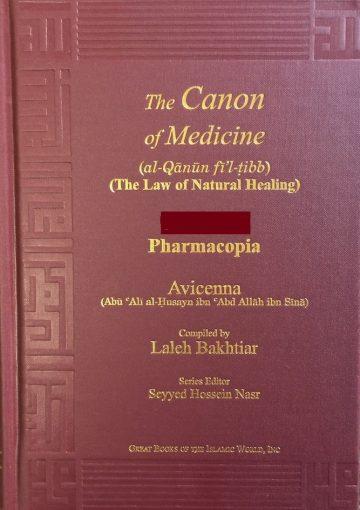
Ibn Sina’s Al-Qanun fi al-tibb (The canon of medicine)
Editor :
Interpreter :
Publisher :
Publish location :
U K.
Number of volumes :
1
Publish number :
first
Publication year :
2014
(0 Votes)

(0 Votes)
Ibn Sina’s Al-Qanun fi al-tibb (The canon of medicine)
Few works in the history of medicine have exercised an influence as enduring and far-reaching as Ibn Sina’s Al-Qanun fi al-tibb (The canon of medicine). Bridging ancient knowledge and systematic clinical observation, this monumental work shaped medical thought across the Islamic world and Europe for centuries, establishing a model of medicine grounded in reason, experience, and ethical responsibility.
About the Book Ibn Sina’s Al-Qanun fi al-tibb (The canon of medicine) is a comprehensive medical encyclopedia authored by Ibn Sina (Avicenna), one of the most influential physicians and philosophers of the medieval period. The work organizes medical knowledge into a coherent system, covering general principles of medicine, materia medica, diseases affecting specific organs, systemic illnesses, and compound remedies.
At its core, the book is founded on the theory of mizāj (temperament: the balanced interaction of qualities such as heat, cold, dryness, and moisture within the human body) and the doctrine of akhlāṭ (humors: blood, phlegm, yellow bile, and black bile). Ibn Sina integrates Greek medical heritage with his own clinical insights, presenting a disciplined methodology that emphasizes diagnosis, prevention, and treatment within a rational framework.
What You Will Discover
- The foundational principles of classical Islamic medicine as systematized by Ibn Sina.
- A detailed discussion of mizāj and akhlāṭ as tools for understanding health and disease.
- Extensive descriptions of medicinal substances and their therapeutic properties.
- Methods of diagnosis based on observation, pulse examination, and symptoms.
- Ethical considerations in medical practice, including the physician’s responsibility toward patients.
- The balance between theoretical knowledge and empirical medical experience.
About the Author Ibn Sina (Avicenna) was a polymath whose contributions spanned medicine, philosophy, logic, and the natural sciences. His medical writings, particularly Al-Qanun fi al-tibb, became standard reference texts in medical schools for hundreds of years, reflecting his ability to synthesize earlier traditions with original clinical reasoning and intellectual rigor.
Who Is This Book For? This book is for readers interested in the history of medicine, classical Islamic scholarship, and the intellectual foundations of premodern medical science, including students, researchers, and general readers seeking a systematic understanding of Ibn Sina’s medical legacy.