Sickness : Regulations & Exhortations Part 1
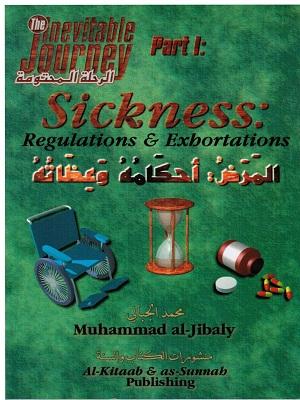
Sickness : Regulations & Exhortations Part 1
Author :
Publisher :
Publication year :
1998
Number of volumes :
5
Publish number :
First
ISBN :
1891229788
(0 Votes)

(0 Votes)
Sickness : Regulations & Exhortations Part 1
Illness in Islam is never viewed as a meaningless disruption of life; rather, it is understood as a moment of trial, reflection, and spiritual recalibration. Sickness : Regulations & Exhortations Part 1 addresses sickness not only as a physical condition but as a state governed by ethical duties, spiritual opportunities, and divine wisdom.
About the Book Sickness : Regulations & Exhortations Part 1 examines the Islamic rulings, moral teachings, and spiritual exhortations related to illness, drawing primarily from the Qur’an and Prophetic traditions. The book outlines how sickness affects religious obligations, personal conduct, and one’s relationship with God, while emphasizing mercy, facilitation, and compassion within Islamic law.
Rather than focusing on medical treatment itself, the work concentrates on aḥkām (religious rulings) and mawāʿiẓ (ethical exhortations), clarifying how acts of worship, social responsibilities, and spiritual attitudes are adjusted during times of illness. It presents sickness as both a test and a means of purification when approached with patience and awareness.
What You Will Discover
- The Islamic understanding of sickness as a divine trial rather than a punishment.
- Religious concessions (rukhaṣ: legal ease granted due to hardship) related to prayer, fasting, and other obligations.
- Ethical responsibilities of the sick person toward themselves and others.
- The virtue of ṣabr (patience) and its role in spiritual growth during illness.
- The concept of expiation of sins through suffering, as discussed in Prophetic traditions.
- Proper attitudes toward seeking treatment while maintaining tawakkul (reliance upon God).
- The social and communal duties toward those who are ill.
About the Author The author approaches the subject through classical Islamic jurisprudence and transmitted reports (ḥadīth: authoritative narrations from the Prophet and the Imams of the Ahl al-Bayt (ʿa, an honorific meaning ʿalayhim al-salām — “peace be upon them”)), presenting the material with clarity and restraint. The work reflects a pedagogical aim, making complex rulings accessible without oversimplification.
Who Is This Book For? This book is for readers seeking a clear understanding of how Islam regulates religious life during illness, especially students of Islamic law, caregivers, and believers looking to navigate sickness with knowledge, patience, and spiritual insight.