Medicine of the Prophet (pbuh)
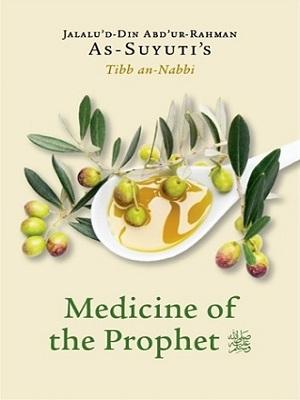
Medicine of the Prophet (pbuh)
Author :
Number of volumes :
1
Publisher :
Publish number :
First
Publication year :
2008
(0 Votes)
(0 Votes)
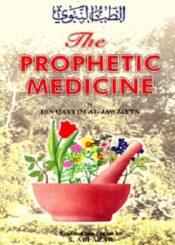
Medicine of the Prophet (pbuh)
Health in Islam is not merely the absence of illness but a state of harmony between body, soul, and conduct. Medicine of the Prophet (pbuh) presents a vision of healing rooted in revelation, ethics, and lived example, offering guidance that transcends time-bound medical practices and speaks to the holistic nature of human well-being.
About the Book Medicine of the Prophet (pbuh) explores medical and health-related teachings attributed to Prophet Muhammad (peace be upon him and his Family) as preserved in Prophetic traditions. Known collectively as Ṭibb al-Nabawī (Prophetic medicine), these teachings encompass preventive care, dietary guidance, hygiene, emotional balance, and spiritual healing.
The book emphasizes that Prophetic medicine is not a technical medical manual but a value-based framework that shapes attitudes toward health, illness, and treatment. It underlines moderation, personal responsibility, ethical intention, and reliance upon God while encouraging the use of lawful and beneficial means in seeking cures.
What You Will Discover
- The concept of Ṭibb al-Nabawī (Prophetic medicine) and its objectives within Islamic teachings.
- Guidance on nutrition, cleanliness, rest, and moderation as foundations of physical health.
- The spiritual dimension of healing through supplication (duʿāʾ: calling upon God) and remembrance (dhikr: conscious invocation of God).
- References to natural remedies mentioned in Prophetic traditions, explained within their ethical context.
- An understanding of illness as a test that carries moral, spiritual, and physical dimensions.
- The balance between seeking treatment and practicing tawakkul (reliance upon God).
- Ethical principles governing medical care, patience, and compassion.
About the Author The author approaches the subject through classical Islamic sources, especially Prophetic traditions (ḥadīth: transmitted reports of the Prophet’s words and actions), while maintaining intellectual restraint and respect for scholarly interpretation. The presentation avoids absolutism and situates Prophetic medicine within its proper religious and moral scope.
Who Is This Book For? This book is for readers interested in understanding health and healing from an Islamic perspective, particularly those seeking to integrate Prophetic guidance with a balanced, ethical approach to personal and communal well-being.