Islam and the Political Order
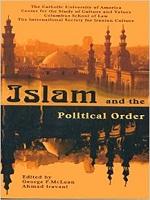
Islam and the Political Order
Author :
Publisher :
Publication year :
2005
Publish location :
New York
(0 Votes)

(0 Votes)
Islam and the Political Order
Political authority in Islam is not merely an administrative necessity—it is a moral trust grounded in divine guidance and accountability. This work explores how Islamic teachings shape the structure and legitimacy of governance.
About the Book
Islam and the Political Order examines the foundational principles of governance within Islamic thought, emphasizing that sovereignty ultimately belongs to God and that political authority must operate within the framework of divine law.
The book analyzes classical and modern interpretations of Islamic political systems, highlighting the relationship between rulers and scholars (ʿulamāʾ, guardians of religious knowledge). It also addresses how Islamic governance historically balanced authority and accountability, often through a dynamic interaction between political leadership and legal scholarship.
By integrating theological principles with political realities, the text provides a comprehensive perspective on how Islamic political order is conceptualized and implemented.
What You Will Discover
- Core principles of Islamic governance and political legitimacy.
- The concept of divine sovereignty in shaping political systems.
- The role of ʿulamāʾ in maintaining legal and moral balance.
- Historical models of governance in Islamic civilization.
- Contemporary challenges in applying Islamic political theory.
About the Author
The author engages with both classical Islamic sources and modern political discourse, offering a balanced perspective on governance in Islam.
Who Is This Book For?
This book is ideal for readers interested in Islamic political theory, governance, and the relationship between religion and state.