Islam and the Secular Mind
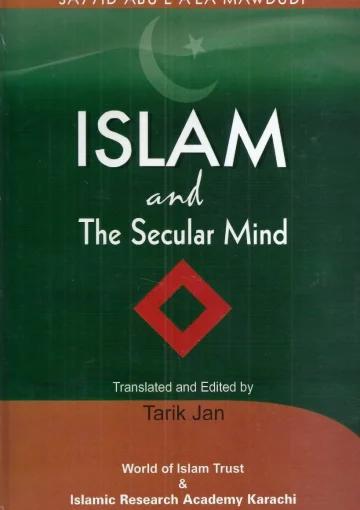
Islam and the Secular Mind
Author :
Editor :
Interpreter :
Publisher :
Publication year :
2004
Publish number :
First
Number of volumes :
1
(0 Votes)

(0 Votes)
Islam and the Secular Mind
Islam and the Secular Mind examines the relationship between Islamic thought and secular intellectual traditions through selected writings of one of the most influential Muslim thinkers of the twentieth century, Sayyid Abul Aʿla Mawdudi.
About the Book
Edited and translated by Tarik Jan, Islam and the Secular Mind brings together selections from Mawdudi's Urdu works Tanqīḥāt and Tafhīmāt. The collection was published by the Islamic Research Academy in 2004.
Mawdudi's writings address the challenges posed by secular approaches to religion, knowledge, and society. His central concern is the tendency to separate religious belief from the broader organization of human life.
From his perspective, Islam is not limited to individual worship or private spirituality. It provides principles that inform moral conduct, social relationships, and collective responsibilities.
The book introduces English-speaking readers to Mawdudi's engagement with intellectual movements that question the public relevance of religious teachings. His arguments reflect the historical circumstances of modern South Asia, where Muslim scholars debated Western political ideas, educational systems, and changing cultural values.
As a collection of translated essays, the publication presents selected aspects of Mawdudi's thought rather than a comprehensive account of his entire intellectual project.
Readers should approach the work as a critical Islamic response to secular assumptions, recognizing that secularism itself encompasses different philosophical and political positions.
What You Will Discover
- Mawdudi's critique of secular approaches to religion and society.
- The relationship between Islamic belief and public responsibilities.
- Questions concerning religion's place in modern intellectual life.
- The influence of changing social ideas on Muslim communities.
- Selected arguments from Tanqīḥāt and Tafhīmāt.
Who Is This Book For?
This book is suitable for students of Islamic political thought, researchers examining religion and secularism, and readers interested in twentieth-century Muslim intellectual movements. It provides a focused introduction to Mawdudi's response to secular perspectives.