An Introduction to Islamic Cosmological Doctrines
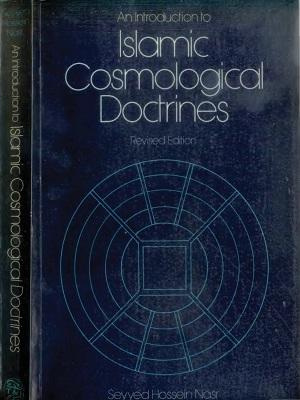
An Introduction to Islamic Cosmological Doctrines
Author :
Publisher :
Publication year :
1978
Publish number :
Revised edition
(0 Votes)

(0 Votes)
An Introduction to Islamic Cosmological Doctrines
Classical Islamic civilization developed sophisticated ways of understanding the universe through philosophy, scientific inquiry, and cosmological reflection. This study examines the intellectual foundations of those approaches through three influential figures and traditions of the tenth and eleventh centuries.
About the Book
An Introduction to Islamic Cosmological Doctrines by Seyyed Hossein Nasr explores classical Islamic cosmology through the writings and intellectual contributions of the Ikhwān al-Ṣafāʾ, al-Bīrūnī, and Ibn Sīnā.
These figures and traditions played important roles in shaping the understanding of the cosmos within Islamic intellectual history.
The Ikhwān al-Ṣafāʾ, commonly known as the Brethren of Purity, represent an important tradition of philosophical and encyclopedic learning.
Al-Bīrūnī is associated with major contributions to scientific investigation, while Ibn Sīnā is among the most influential philosophers of the medieval Islamic world.
Nasr examines their cosmological ideas within the historical setting in which they developed.
The book emphasizes that their contributions were not isolated intellectual achievements. Together, they helped establish a cosmological framework that influenced subsequent generations of Muslim thinkers.
According to the book's description, this framework shaped the understanding of the universe within which later scientific activity in the Islamic world developed.
The study therefore connects cosmological doctrines with the broader history of Islamic science and philosophy.
Rather than approaching medieval Muslim scholars exclusively through modern scientific categories, Nasr investigates the conceptions of the cosmos that informed their intellectual work.
This historical perspective helps explain why cosmological thought occupied such an important position within classical Islamic civilization.
The book provides an introduction to a field where scientific investigation and philosophical understanding were closely connected.
What You Will Discover
- Classical cosmological teachings associated with the Ikhwān al-Ṣafāʾ.
- The place of al-Bīrūnī within Islamic scientific history.
- Ibn Sīnā's contribution to medieval cosmological thought.
- The intellectual environment of the tenth and eleventh centuries.
- The influence of early cosmological frameworks on later Islamic scholarship.
- Connections between cosmology, philosophy, and scientific inquiry.
Who Is This Book For?
This book is suitable for historians of science, students of Islamic philosophy, researchers in medieval intellectual history, and readers interested in the development of cosmological thought within Islamic civilization.