Islamic Concept of Knowledge
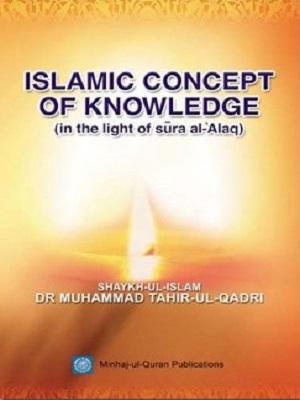
Islamic Concept of Knowledge
Author :
Publisher :
Publication year :
2007
Publish location :
Pakistan
Number of volumes :
1
Publish number :
first
(0 Votes)

(0 Votes)
Islamic Concept of Knowledge
Knowledge has been one of the defining forces behind the development of civilizations, the advancement of science, and the growth of human understanding. In Islam, however, knowledge is not viewed merely as a tool for worldly success. It is regarded as a sacred trust that enables human beings to recognize truth, fulfill their responsibilities, and draw closer to God. Understanding the Islamic concept of knowledge reveals how learning can become both an intellectual pursuit and a spiritual journey.
About the Book
Islamic Concept of Knowledge examines the nature, purpose, and value of knowledge from an Islamic perspective. The book explores how Islam views knowledge as an essential component of human development, linking intellectual growth with moral responsibility and spiritual awareness. Rather than separating religious and worldly learning into isolated categories, the work demonstrates how all beneficial knowledge can contribute to a deeper understanding of creation and one's role within it.
The author discusses the sources of knowledge recognized in Islamic thought, including revelation, reason, observation, and experience. Particular attention is given to the relationship between faith and intellect, showing that Islam encourages reflection, investigation, and critical thinking. The book challenges the misconception that religion and reason are inherently opposed, presenting instead a framework in which both work together in the pursuit of truth.
A major theme of the work is the distinction between information and wisdom. While information may increase a person's awareness of facts, wisdom enables the proper application of that knowledge in practical life. The author explains that true knowledge should lead to ethical behavior, humility, and a greater sense of responsibility toward others.
The book also explores the historical importance of scholarship in Islamic civilization and highlights the role of learning in personal and societal progress. Through accessible discussions and thoughtful analysis, it encourages readers to approach education as a lifelong commitment rather than a temporary endeavor.
By connecting intellectual inquiry with spiritual growth, the work provides a comprehensive understanding of why knowledge occupies such a central place in Islamic teachings and culture.
What You Will Discover
- The meaning and purpose of knowledge in Islam.
- The relationship between faith, reason, and learning.
- The difference between information and wisdom.
- Sources of knowledge recognized in Islamic thought.
- The ethical responsibilities that accompany learning.
- How knowledge contributes to personal and social development.
Who Is This Book For?
This book is ideal for readers interested in Islamic philosophy, education, intellectual history, and the role of knowledge in personal and spiritual development.