Moses Versus Pharaoh
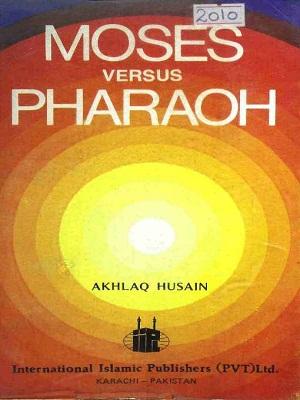
Moses Versus Pharaoh
Author :
Publisher :
Publication year :
1987
Publish number :
Second
Publish location :
Karachi, Pakistan
Number of volumes :
1
(0 Votes)

(0 Votes)
Moses Versus Pharaoh
The confrontation between Moses and Pharaoh is one of the Qur'an's most frequently revisited narratives. It is more than a historical conflict between two individuals: it represents a profound confrontation between prophetic guidance and tyranny, humility and arrogance, liberation and oppression, and recognition of divine authority versus claims to absolute worldly power.
About the Book
Moses Versus Pharaoh explores the Qur'anic account of Prophet Moses and his confrontation with Pharaoh, drawing attention to one of the central narrative patterns found throughout the Holy Qur'an.
Moses appears repeatedly in Qur'anic revelation, and different chapters emphasize different aspects of his mission. His encounter with Pharaoh is particularly important because it combines theological argument, miraculous signs, political power, human fear, perseverance, and divine assistance.
Pharaoh represents more than personal disbelief. Qur'anic descriptions associate his rule with arrogance, oppression, division, and rejection of signs despite repeated warnings. His conduct therefore becomes an example of how power can contribute to moral corruption when it is detached from accountability.
Moses, by contrast, is commissioned to communicate divine guidance despite the danger involved. His mission demonstrates prophetic courage while also acknowledging human vulnerability. Qur'anic passages record his prayers, concerns, reliance upon God, and perseverance.
The narrative also includes the Children of Israel and their liberation from oppression. Their experience introduces themes of deliverance, gratitude, testing, and the responsibilities that follow liberation.
Because the story appears across numerous Qur'anic chapters, studying it thematically allows readers to combine complementary episodes and identify recurring theological and ethical lessons.
The confrontation ultimately presents history as a field in which faith, power, moral choice, and divine judgment interact.
What You Will Discover
- Qur'anic accounts of Moses' mission to Pharaoh.
- Pharaoh as a model of arrogance and oppressive power.
- Prophetic courage in confronting political authority.
- The role of divine signs and repeated warnings.
- The liberation and testing of the Children of Israel.
- Lessons concerning faith, perseverance, and accountability.
Who Is This Book For?
This book is suitable for Qur'an students, educators, researchers, study circles, and readers interested in prophetic narratives, oppression and liberation, moral leadership, and Qur'anic perspectives on power and responsibility.