Polygamy in Islam
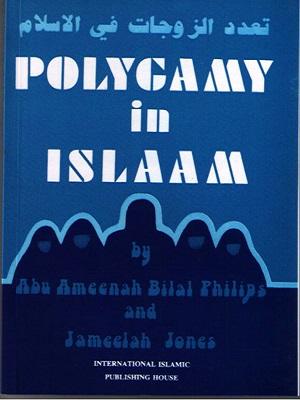
Polygamy in Islam
Publisher :
Publication year :
2005
Publish number :
Second
Publish location :
Riyadh
Number of volumes :
1
(0 Votes)

(0 Votes)
Polygamy in Islam
Marriage in Islam is founded upon justice, responsibility, and the protection of individual and family rights. Among the topics frequently discussed in Islamic family law is polygamy, a practice regulated by specific legal and ethical conditions rather than presented as a universal obligation or unrestricted privilege.
About the Book
Polygamy in Islam examines the Islamic rulings and underlying wisdom concerning polygamous marriage through the Qur'an, the Sunnah, and classical Islamic jurisprudence. The book explains the legal framework governing the practice while addressing historical context and contemporary questions surrounding the subject.
The author discusses topics such as the Qur'anic basis for polygamy, conditions of justice, financial responsibility, equal treatment among wives, family welfare, ethical limitations, and the objectives of Islamic family law. Readers gain a balanced understanding of both the permissions and responsibilities associated with plural marriage in Islam.
A major emphasis throughout the work is that Islamic law places justice at the center of every marital relationship. The book demonstrates that the permission for polygamy is accompanied by strict obligations intended to safeguard the dignity and rights of all family members. Through scriptural evidence, legal discussion, and historical analysis, readers learn that Islamic teachings regulate the practice within a comprehensive ethical framework rather than encouraging it without qualification.
The discussion also considers contemporary debates, distinguishing authentic Islamic rulings from cultural customs and common misconceptions about the subject.
Balanced and informative, the book offers a careful study of one of the most widely discussed aspects of Islamic family law.
What You Will Discover
- Qur'anic foundations of polygamy.
- Legal conditions and ethical responsibilities.
- Rights of spouses in Islamic law.
- Justice and equal treatment.
- Historical and contemporary perspectives.
- Common misconceptions about polygamy.
Who Is This Book For?
This book is ideal for students of Islamic jurisprudence, researchers, educators, family counselors, and readers interested in Islamic family law.