Profiles of Islamic Countries
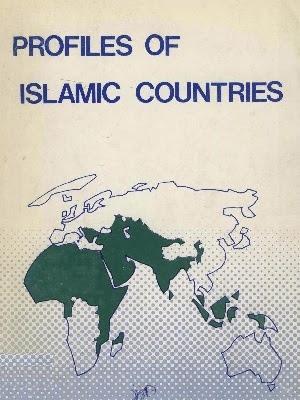
Profiles of Islamic Countries
Author :
Publisher :
Publication year :
1989
Publish location :
Tehran, Iran
Number of volumes :
1
Publish number :
First
(0 Votes)

(0 Votes)
Profiles of Islamic Countries
Understanding the diversity of the global Muslim community requires a closer look at the histories, cultures, and social structures that shape today’s Islamic nations. Profiles of Islamic Countries offers a concise and informative survey of countries where Islam plays a significant cultural, demographic, or political role, presenting readers with a broad yet organized view of the Muslim world.
About the Book Profiles of Islamic Countries provides an accessible reference work that introduces the reader to key characteristics of various Islamic countries, including demographics, geography, history, religious composition, economic features, and cultural practices. Drawing from riwāyah (narrative transmission: preserved historical accounts and traditional descriptions) as well as modern scholarly sources, the text outlines how Islam developed uniquely within each nation due to differing historical trajectories, colonial experiences, and cultural environments.
The book highlights how Islamic identity is expressed through social norms, legal frameworks, educational institutions, and cultural traditions across countries in the Middle East, Africa, South Asia, Southeast Asia, and beyond. It also discusses the diversity of Islamic schools of thought present within these societies and how they influence contemporary religious life.
What You Will Discover
- A country-by-country overview of major Islamic nations and their defining characteristics.
- Historical insights from riwāyah (narrative transmission) and documented sources explaining the spread of Islam across regions.
- Discussions on demographic trends, religious diversity, and cultural expressions of Islamic identity.
- An examination of political systems, legal structures, and how Islamic principles are reflected in governance.
- An exploration of educational, social, and economic developments in contemporary Islamic countries.
- Comparative reflections revealing the unity and diversity of the Muslim world.
- A thematic understanding of how history, culture, and religion interact to shape national identity.
About the Author Drawing from historical research, sociological analysis, and classical accounts, the author presents a balanced and informative profile of each country. The writing is structured, clear, and engaging, making complex geopolitical and cultural information accessible without oversimplifying.
Who Is This Book For? This book is for readers seeking an organized, factual, and insightful introduction to the Muslim world—ideal for students, educators, travelers, researchers, or anyone wishing to understand how Islamic identity is lived and expressed across different countries.
Related Titles

The Constitution of the Islamic Republic of Pakistan

The Constitution of the Islamic Republic of Afghanistan

Historic Struggle for Pakistan

Short Accounts of the lives of Various Ulema buried in the Holy City of Qom

A History of Modern Lebanon

If Islam were to be established in Iraq
Iran Human Rights Review : United Nations