The Richest Treasure: Imam ‘Ali’s Letter to Malik al-Ashtar, the Governor of Egypt
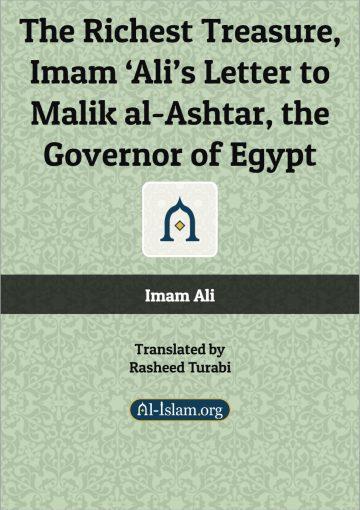
The Richest Treasure: Imam ‘Ali’s Letter to Malik al-Ashtar, the Governor of Egypt
Author :
Publisher :
Publication year :
2005
Publish number :
First
Number of volumes :
1
(0 Votes)

(0 Votes)
The Richest Treasure: Imam ‘Ali’s Letter to Malik al-Ashtar, the Governor of Egypt
Among the most celebrated documents of Islamic political and ethical thought is the letter of Imam ʿAlī (ʿa) to Malik al-Ashtar upon appointing him governor of Egypt. Revered for its timeless guidance on justice, leadership, and public administration, it continues to inspire scholars, leaders, and students seeking principles of ethical governance rooted in faith and human dignity.
About the Book
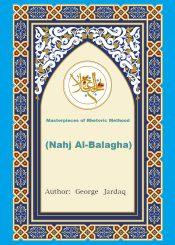
The Richest Treasure: Imam ‘Ali’s Letter to Malik al-Ashtar, the Governor of Egypt presents and explains one of the most influential texts found in Nahj al-Balaghah (The Peak of Eloquence). The book explores Imam ʿAlī's (ʿa) comprehensive guidance for righteous leadership, emphasizing justice, compassion, accountability, and service to society.
The author examines themes such as the responsibilities of rulers, protection of human rights, judicial fairness, economic justice, public welfare, consultation, humility, and ethical administration. Readers are encouraged to understand leadership as a sacred trust that requires integrity, wisdom, and unwavering commitment to justice.
A major emphasis throughout the work is servant leadership. The book demonstrates how Imam ʿAlī (ʿa) instructed governors to prioritize the welfare of the people over personal interests, showing mercy toward the weak while upholding justice for all members of society. Through detailed commentary and historical context, readers gain practical insights that remain relevant to leadership and governance today.
The discussion also highlights the universal values embedded within the letter, illustrating how principles such as fairness, accountability, compassion, and respect for human dignity transcend historical circumstances. By connecting classical Islamic teachings with contemporary ethical questions, the work presents this remarkable letter as a timeless guide for responsible leadership.
Thought-provoking and deeply insightful, the book serves as an essential study of one of the greatest documents in Islamic political ethics.
What You Will Discover
- The historical context of Imam ʿAlī's (ʿa) letter to Malik al-Ashtar.
- Principles of ethical leadership and governance.
- Guidance on justice, accountability, and public service.
- Lessons on protecting human rights and social welfare.
- Reflections on humility and responsible administration.
- The enduring relevance of Islamic political ethics.
Who Is This Book For?
This book is ideal for students of Islamic studies, political ethics, history, public administration, and readers interested in Imam ʿAlī's (ʿa) teachings on leadership.