Wilayat (Guardianship)
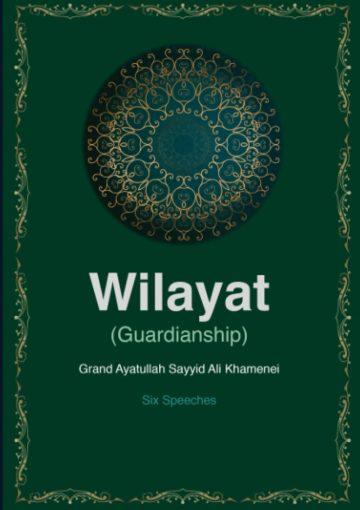
Wilayat (Guardianship)
Interpreter :
Number of volumes :
1
Publisher :
Publish number :
first
Publication year :
2014
(0 Votes)

(0 Votes)
Wilayat (Guardianship)
The concept of wilāyah (guardianship and divine authority) in Islam is far more than a rigid legal definition or an abstract theological debate. Instead, it serves as the vital, living pulse that weaves individual believers into a cohesive community, anchoring their moral, social, and political existence to divine guidance. This profound principle defines how an Islamic society functions and resists corruption. This book invites readers to look beyond superficial interpretations, offering a transformative understanding of true authority and collective alignment under God.
About the Book
Wilāyah (Guardianship) is a compelling collection of lectures delivered in the holy month of Ramadan in 1974, providing a vital intellectual blueprint years before the victory of the Islamic Revolution. In these historic discourses, the concept of wilāyah is examined not merely as a historical doctrine, but as an active, structural framework that shapes the collective identity, governance, and ethical orientation of a dynamic society.
The text masterfully illustrates how a community’s spiritual and political vitality is entirely dependent on its connection to Allah’s guardianship. Without this sacred alignment, a society inevitably fragments, leaving it vulnerable to the subtle and overt oppressions of arrogant, materialistic powers that erode its moral fabric. By breaking down the inner dynamics of Islamic solidarity and the strict rejection of tyrannical rule, Wilāyah (Guardianship) demonstrates that faith without divine authority is incapable of inspiring true justice or building a righteous civilization. It challenges readers to view guardianship as an ongoing, practical commitment to societal transformation.
What You Will Discover
- Readers will explore the core mechanics of wilāyah as the ultimate force of inner cohesion and solidarity within the Muslim community.
- The book provides a sharp contrast between legitimate, God-centric leadership and oppressive, human-imposed systems of control.
- The text offers a deep analysis of the spiritual and political fruits of embracing divine guardianship, alongside the severe dangers of neglecting it.
- You will learn how the flow of divine authority translates into practical daily decision-making, community leadership, and ethical living.
- The chapters present a clear blueprint for an active, revolutionary community capable of standing firm against external ideological threats.
Who Is This Book For?
This book is an essential resource for students of Islamic political thought, researchers exploring Shīʿah theology, and any reader seeking a profound, systematic understanding of authority, community dynamics, and spiritual leadership in Islam.