Humanism and Theocentrism in Islamic and Western Thought
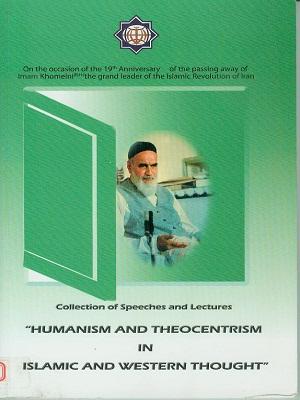
Humanism and Theocentrism in Islamic and Western Thought
Author :
Publisher :
Publication year :
2008
Publish location :
tehran-Iran
Publish number :
first
Number of volumes :
1
(1 Votes)

(1 Votes)
Humanism and Theocentrism in Islamic and Western Thought
At the heart of civilizational difference lies a fundamental question: Is humanity the ultimate reference point, or does authority reside beyond human will? Humanism and Theocentrism in Islamic and Western Thought explores contrasting philosophical foundations shaping moral and political theory.
About the Book
Humanism and Theocentrism in Islamic and Western Thought presents a structured comparative analysis between human-centered and God-centered worldviews. The book examines Western humanism emerging from Renaissance and Enlightenment traditions, highlighting emphasis on autonomy, reason, and individual rights. It contrasts this with Islamic theocentrism, which situates human dignity within divine sovereignty and moral accountability. Structured chapters explore implications for ethics, governance, law, and epistemology. The text clarifies that theocentrism does not negate human worth but frames it within transcendental reference. Historical context situates intellectual developments within broader civilizational trajectories. Analytical discussion avoids caricature, instead presenting disciplined evaluation of philosophical premises and their consequences. By integrating theology with political philosophy, the work demonstrates how foundational metaphysical assumptions influence societal organization.
What You Will Discover
- Origins of Western humanism
- Foundations of Islamic theocentrism
- Implications for ethics and law
- Comparative analysis of autonomy and accountability
- Historical development of philosophical traditions
- Structured evaluation of worldview consequences
About the Author
The author approaches comparative philosophy through intellectual history and theological analysis, presenting balanced and rigorous examination.
Who Is This Book For?
This book is for students of philosophy, theology, and civilizational studies seeking structured comparison of human-centered and God-centered worldviews.